What is Ashwagandha?
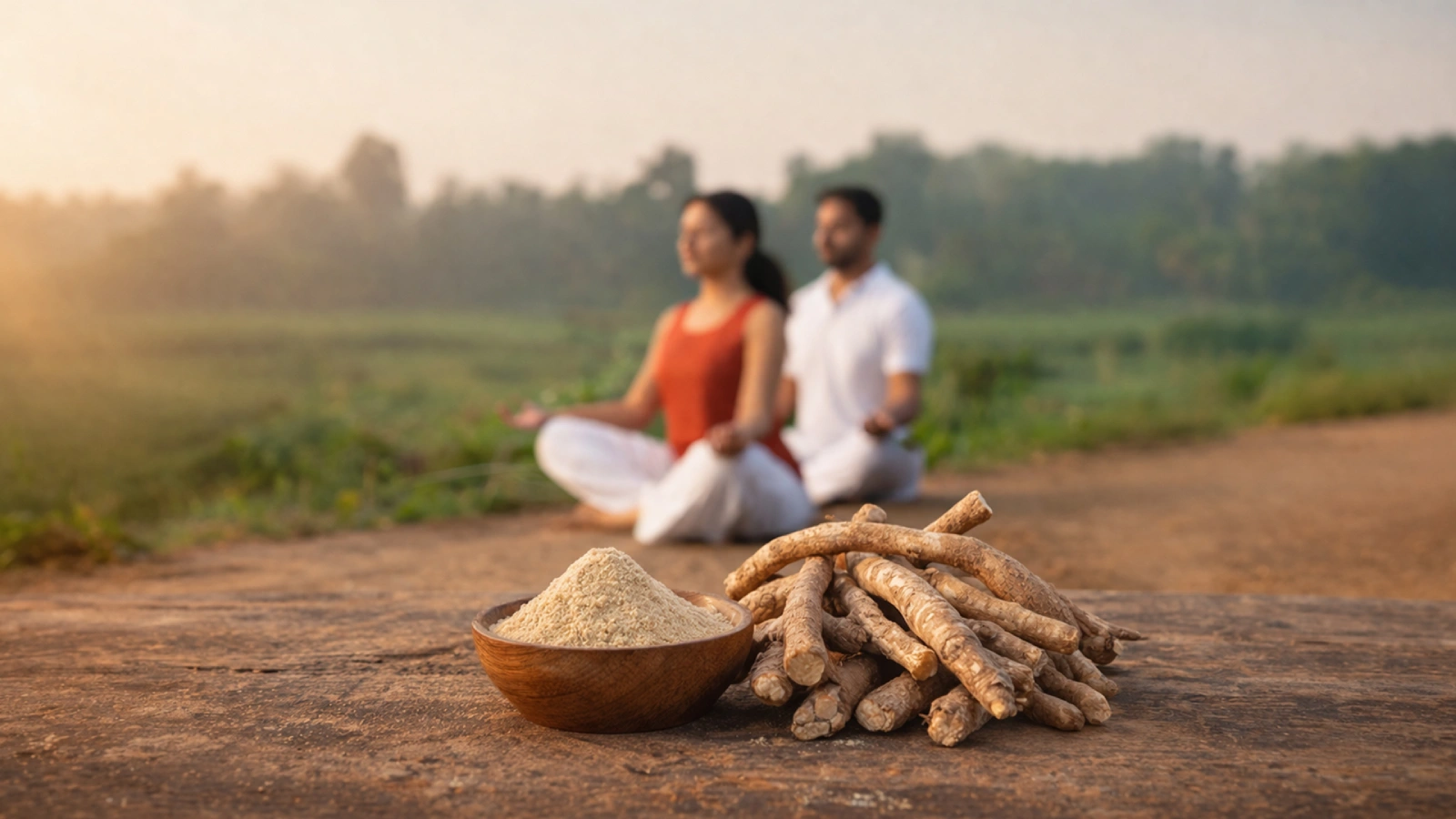
What Is Ashwagandha, and Why Is It So Popular Today?
In a world running on deadlines, notifications, and burnout culture, one ancient herb is making big progress. Once rooted deeply in traditional Ayurvedic practice, it is now gaining international attention.
At the 2nd WHO Global Summit on Traditional Medicine in New Delhi on December 19, 2025, Prime Minister Narendra Modi and WHO Director-General Tedros Adhanom Ghebreyesus unveiled a ₹5 commemorative stamp honoring Ashwagandha, highlighting its growing global recognition.
So, what is Ashwagandha?
And why is it suddenly everywhere? Let’s break it down.
Ashwagandha is known for its adaptogenic property and is a highly revered herb documented in Ayurveda for centuries. Many people today are curious about “What is ashwagandha used for?” Traditionally, it has been used to support the body’s inner balance, including both physical vitality and mental well-being. Scientifically known as Withania somnifera, it’s often referred to as “Indian ginseng” or “winter cherry.”
What is ashwagandha root?
To understand these benefits, we have to know what the root actually does. The roots are the recommended plant part known for their therapeutic benefits. It contains in it naturally occurring compounds called withanolides.
Withanolides are known to support the body’s stress response by lowering elevated cortisol levels, along with improving cognitive function, supporting the immune system, and providing other health benefits.
What does Ashwagandha do?
Research suggests it helps support:
- Stress management
- Healthy cortisol levels
- Better sleep quality
- Mental clarity and focus
- Overall vitality
Why is Ashwagandha famous in the modern world?
The answer is very simple: STRESS.
From work pressure to mental fatigue and disrupted sleep cycles, stress has become a part of our daily lives. But when stress stays in your body for so long, it becomes chronic stress, a prolonged state where the body remains on high alert.
When cortisol, the stress hormone, levels stay elevated for extended periods, it may lead to:
- Sleep disturbances
- Fatigue
- Brain fog
- Irritability
- Reduced immunity
As awareness around stress grows, people are exploring not just temporary fixes but holistic approaches that support long-term balance. That’s where ashwagandha becomes a traditional Ayurvedic option that may help the body adapt more effectively.
So, is Ashwagandha good?
For many individuals looking to manage their stress naturally, it can be a helpful addition to a balanced lifestyle. However, results can vary, and it’s always wise to consult a healthcare professional before starting any supplement.
Take Action: If you’re curious about how stress may be affecting you, consider taking the Stress Test to better understand your current stress levels and figure out your next steps toward balance.
Related Blogs

Understanding How the Immune System Protects the Body Daily
Did you know our bodies encounter different bacteria and pathogens every single day? And yet, most of the time, we...

How Modern Lifestyle Leads to Causes of Stress and Causes of Anxiety: How Ashwagandha Helps
Is everyone familiar with watching videos at 1.5x speed? From virtual to reality, that’s how life feels lately. We are...